It's a busy time in Apple land. At certain times of the year, not a lot happens. Right now, it's hard to keep up.
There are new products hitting us on a seemingly daily basis like the iPhone Duo, HomeView, and the imminent first-ever touch screen MacBook Pro.
Not only are there new products galore, but there are also historic milestones worth reminiscing about.
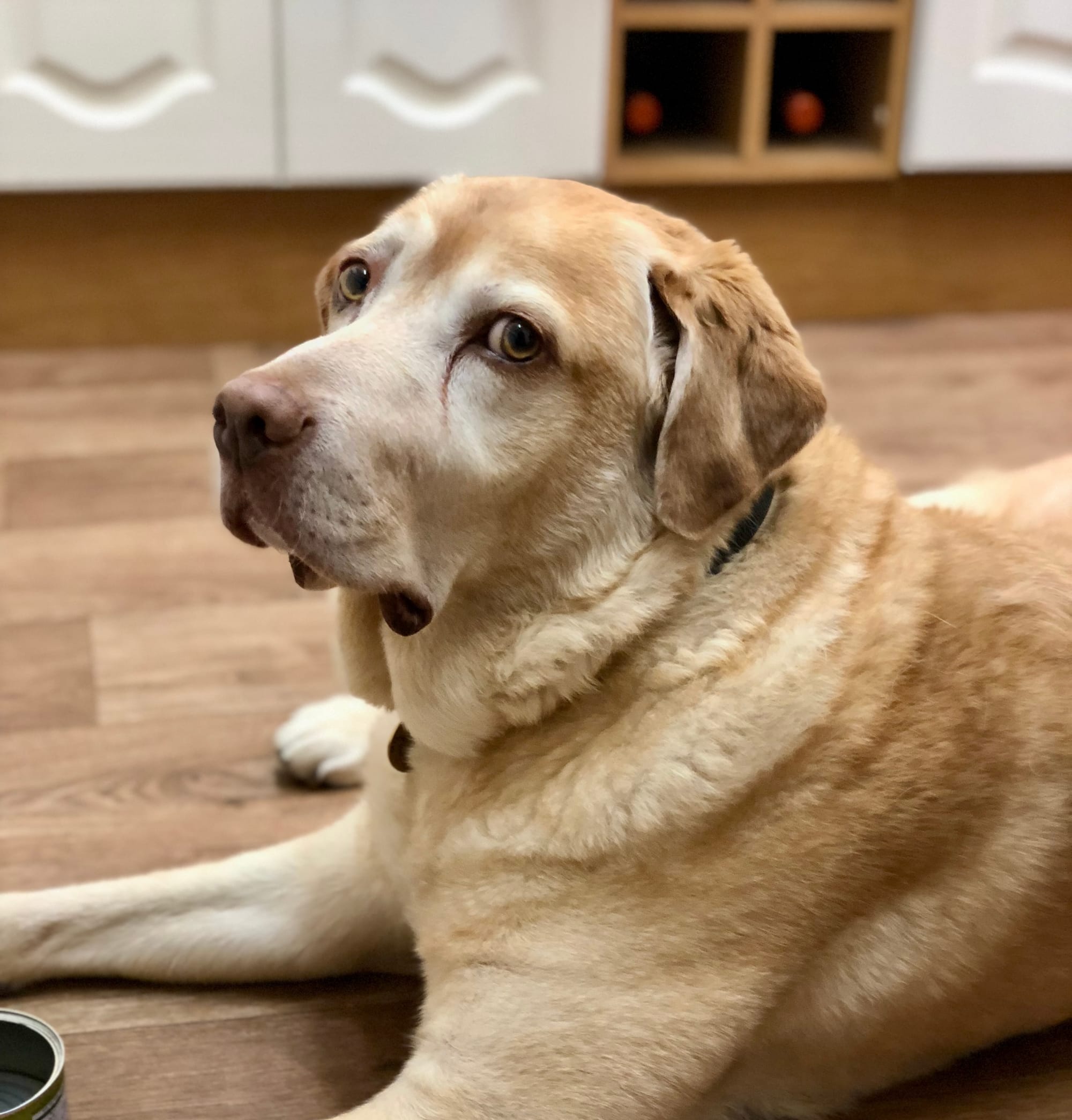
Last week marked ten years since the introduction of Portrait Mode — Apple's clever approach to making portrait shots of people's faces look more like professionally taken photos.
The feature gives photos an artificially narrow depth of field, so that the subject is perfectly in focus, while the background is soft and beautifully blurred with a bokeh effect.
It does this without actually having the information of a proper big lens SLR camera (and very few people would like a phone with a hefty huge lens sticking out the back of it!) so the effect must be artificially created in software.
I found this X post from Johnnie Manzari about the creation of Portrait Mode fascinating. As with many wonderful inventions and innovative ideas, the feature didn't come from science or technology or art or design alone — it came from a combination of all of these and more.
Portrait mode launched 10 years ago today.
— Johnnie Manzari (@johnnie) October 24, 2026
I think it resonated with people because it didn’t feel digital. It felt analog. And this was likely because the inspiration behind its technique went all the way back to oil painting. Sometimes pure math isn’t enough; you need to…
There’s a saying in painting that if you get the eyes right, nothing else matters. Inspired by this principle from oil painting, the idea was to make sure we never got the eyes wrong.
We brought in a machine learning block to find the eyes, and draw a mask layer that protected them, then paired that with the disparity depth map. Counterintuitively, the solution was not to decrease the amount of blur, it was to increase it.
The additional blur that we could add once the eyes were protected allowed us to hide the artefacts that were created by bad depth calculation.
I never knew about this saying from the art world, but now I think about it, it makes so much sense. It also explains why many of my drawings at school didn't quite look right!
I love this story — it shows that even with the most brilliant, cutting-edge technology, to find the best answer for today's challenges we sometimes need to look back at the masters from hundreds of years ago.